
yangchhar
The path to Paro Taktsang begins in the dark. Here's everything we wished we'd known before that first breathless step upward.
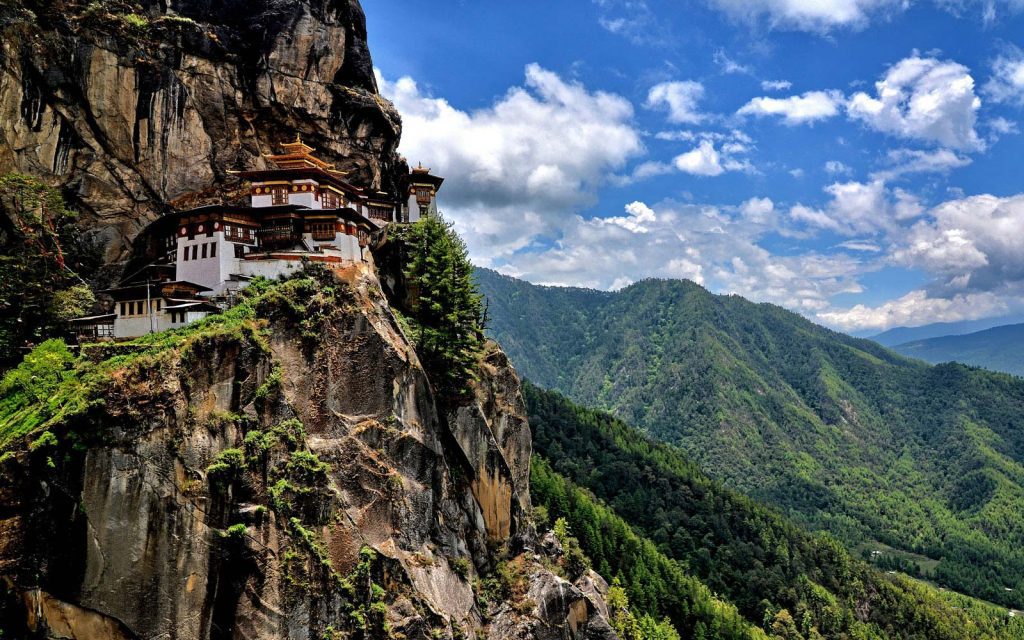
At 4:30 in the morning, the valley below Paro is a smudge of amber lantern light against absolute darkness. The monastery — Paro Taktsang, Tiger’s Nest — is invisible. It exists only as a legend clinging to a cliff face 900 metres above you. And yet your feet are already moving.
Most travel guides will tell you the hike takes two to three hours, that it’s ‘moderate’ difficulty, and to start early to beat the crowds. All of this is technically true. None of it prepares you for the silence of predawn Bhutan — the way the pine forest breathes, the distant chant of monks drifting down from somewhere in the mountain, the smell of juniper smoke from a farmhouse you never see.
The monastery doesn't reveal itself all at once. It appears in glimpses — a glint of gold roof through the mist, then a whole white wall suspended in nothing.
The Path No One Prepares You For
The first hour is gentle. A well-worn trail winds through blue pine and rhododendron, prayer flags strung overhead in fading silk. Locals pass you effortlessly — elderly monks, children in school uniforms, a woman carrying a load twice her size. They are unhurried. This teaches you something.
Then comes the gorge. A steel bridge spanning a waterfall — cold spray, roaring white water, the monastery suddenly level with your eyes across the chasm. This is the moment. The one that photographs cannot carry. The air shifts here; it becomes something with weight, something ancient. Many people stop mid-bridge and simply stand.
What to Bring (and What to Leave Behind)
Pack light. You will thank yourself on the final staircase. A small daypack with water (at least 1.5 litres), a light fleece, sunscreen, and a snack is all you need. The cafeteria halfway up serves butter tea and light bites — perfectly timed for when your legs begin a quiet protest.
Leave behind your expectations of a ‘photo stop’. Inside the monastery — remove your shoes, silence your phone, and simply be present. The butter lamps have been burning for centuries. The murals are dark and alive. Monks move through the space with a quietness that feels like a different frequency of time.
Inside the monastery, butter lamps have been burning for centuries. You do not sight-see here. You witness.
The Descent & What It Leaves You With
Coming down is not easier — it is different. Your knees feel it. But the valley below is now golden in late morning light, the valley rice fields a shocking green, smoke curling from farmhouses. You understand something about scale. About how small a day is.
Every guest who makes this journey with us arrives at the same quiet conclusion: it was not the monastery that changed them. It was the walk — the dark beginning, the slow ascent, the bridge, the arrival. Tiger’s Nest is a metaphor you live with your whole body. That is Bhutan, in four hours of stone and sky.