the land of the thunder dragon

About Bhutan

The last Himalayan kingdom

Bhutan—where ancient wisdom meets modern consciousness. A sanctuary suspended between earth and sky, inviting those who seek meaning beyond the ordinary.

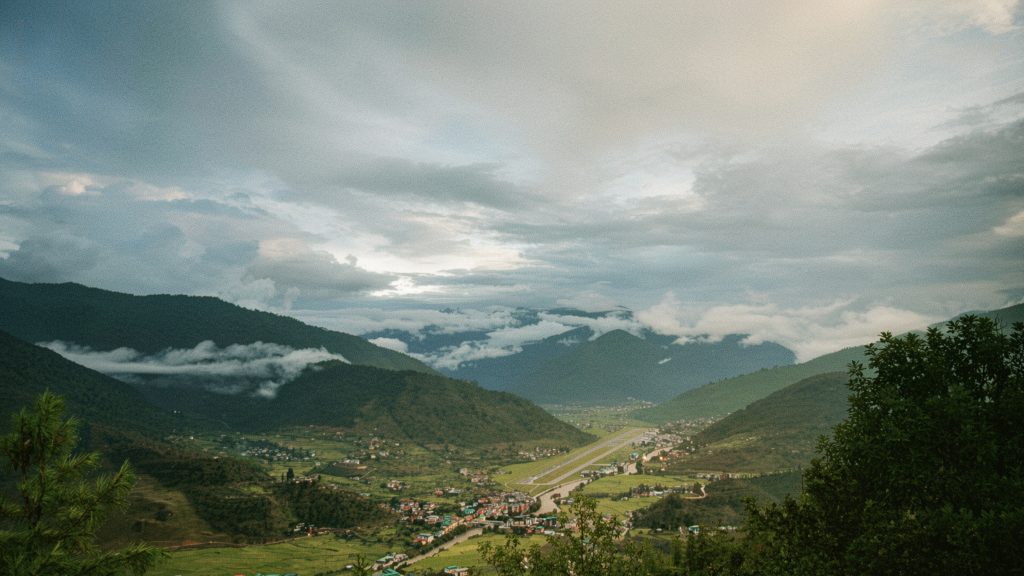
Scenic Bhutan landscape: Lush green valleys, winding river, and misty mountains. Travel to Bhutan for breathtaking views.

Where Gross National Happiness meets environmental guardianship

Bhutan stands as the world’s only carbon-negative nation, absorbing more CO2 than it produces. This isn’t policy—it’s practice woven into daily life. Forests cover over 70% of the kingdom by constitutional mandate. Prayer flags flutter beside electric vehicle charging stations. Monasteries perch on cliffs that have witnessed a thousand years of meditation, while solar panels gleam on village rooftops. Here, protecting the environment is an act of faith, and faith is a way of living lightly upon the earth.

Bhutan in the 90s: Street scene with traditional architecture, cars, and mountain backdrop.
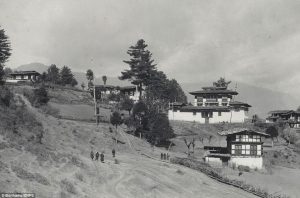
Bhutan circa 1900s: Black and white image of traditional Bhutanese buildings dotting a hillside landscape, historic architecture.

Centuries of seclusion, moments of profound encounter

For generations, Bhutan remained deliberately hidden—no foreign visitors allowed until 1974, no television until 1999. This careful guardianship preserved something rare: a culture unfragmented by colonialism or globalization.

Today, the kingdom opens its doors to a select few, offering not mass tourism but meaningful exchange. When you sit with a farmer sharing ara (local wine) brewed from generations-old recipes, or watch monks debate philosophy in ancient courtyards, you connect with something authentic—unscripted, unhurried, unforgettable.

Towering peaks, grounded people

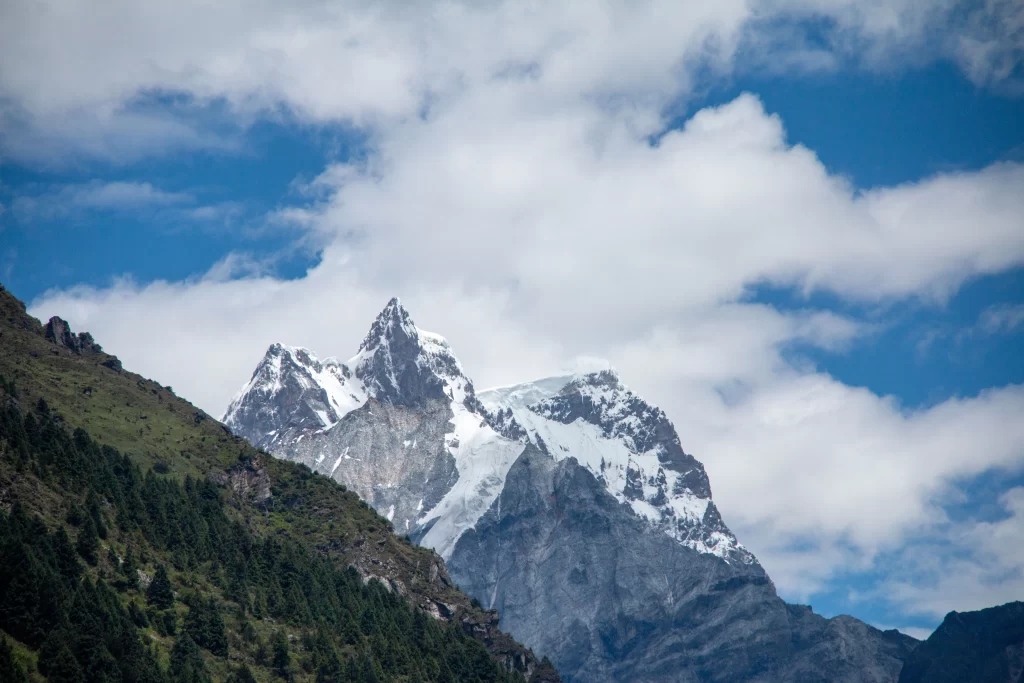
The Himalayas dominate Bhutan’s northern border—Gangkhar Puensum, the world’s highest unclimbed peak, stands at 7,570 meters within these boundaries. Yet the Bhutanese people carry themselves with gentle modesty. Kings walk among citizens without ceremony. Gross National Happiness prioritizes psychological wellbeing over economic growth. Grandeur exists in landscape, not ego. Visitors often remark that they came for the mountains but stayed for the people.

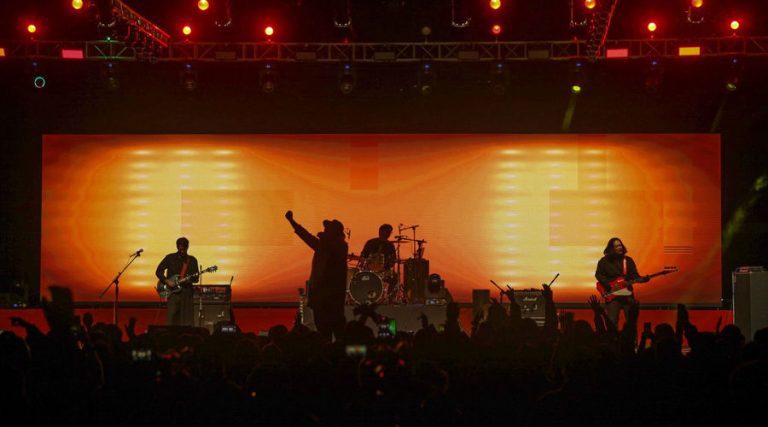
Asia Rock Fest: A band performs on stage at a music festival in Bhutan, with a large crowd enjoying the concert.
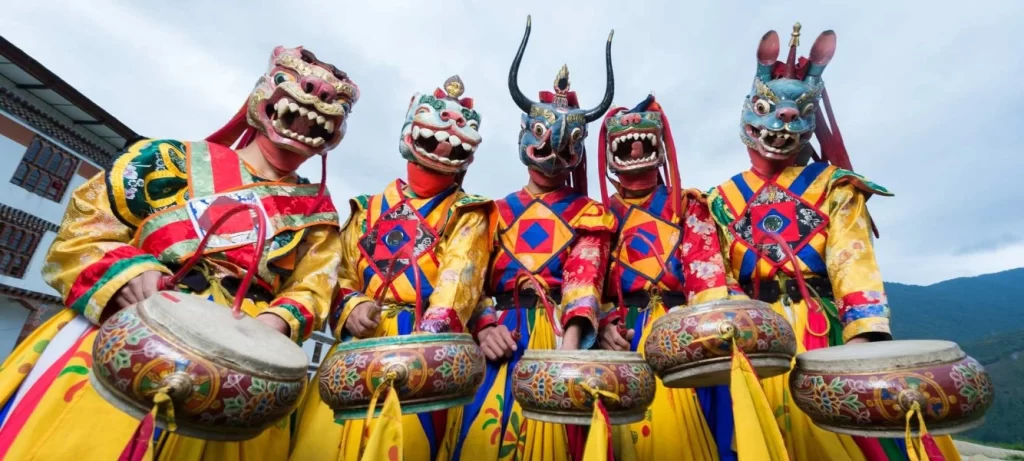
Bhutan travel etiquette: masked dancers with drums perform a traditional cultural dance in colorful costumes. About Bhutan.

Ancient festivals, evolving identity

Tshechus (religious festivals) fill monastery courtyards with masked dancers performing stories from the 8th century. Simultaneously, Bhutan’s youth blend traditional hip-hop with folk melodies, create street art incorporating Buddhist motifs, and code apps that preserve endangered dialects. This is a culture that venerates its past while refusing to be imprisoned by it—where a 400-year-old dzong (fortress) might host both a sacred ceremony and a contemporary art exhibition.

From subtropical jungles to alpine tundra, peace at every altitude

In a single day, travelers can descend from snowline to savanna. Bhutan’s vertical geography creates distinct biospheres— Bengal tigers roam southern jungles while snow leopards patrol northern heights. Between these extremes lie rhododendron forests exploding with color, bamboo groves whispering in the wind, and valleys where rivers carve paths through time. Whether trekking the legendary Snowman Trail or soaking in a traditional hot stone bath, the landscape itself becomes therapy.

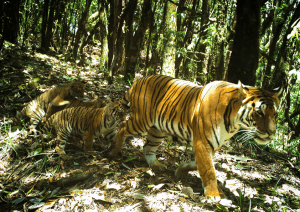
Bhutan tiger family: A mother tiger walks with her cubs through the lush forest. Wild animal conservation.
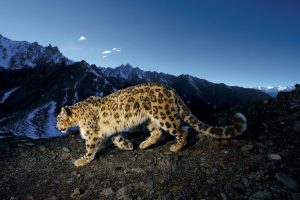
Snow leopard in Bhutan's mountains. Wild cat with spotted fur walks on rocky terrain, snowy peaks in background.
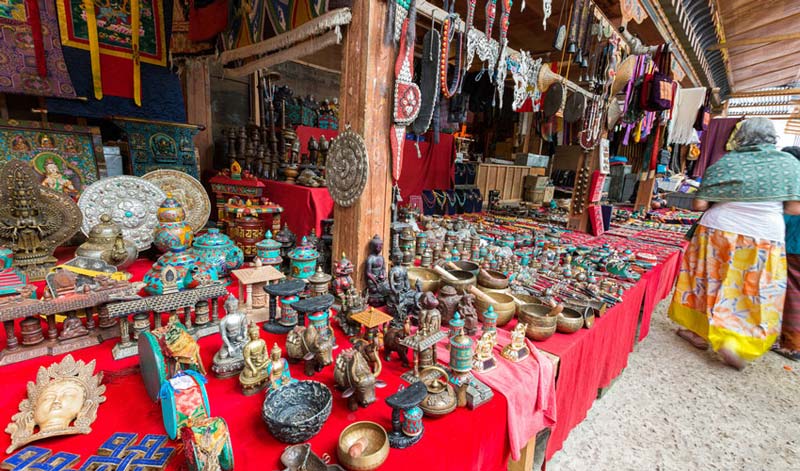
Bhutan handicrafts market in Thimphu, showcasing colorful souvenirs, jewelry, and traditional Bhutanese art for tourists.
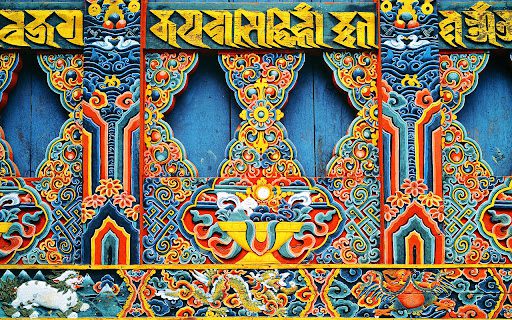
Bhutanese handicraft art: Intricate, colorful wood carvings with cultural symbols. About Bhutan tourism & traditional art.

Thirteen traditional arts, infinite contemporary expression

The zorig chusum—thirteen classical arts and crafts ranging from thangka painting to bamboo weaving—remain mandatory in schools. Master artisans still create religious sculptures using techniques unchanged for centuries. Parallel to this, Bhutan’s creative sector surges: fashion designers reinterpret the gho and kira (national dress) for global runways, architects merge dzong architecture with sustainable materials, and filmmakers tell Bhutanese stories winning international acclaim. Heritage isn’t preserved in amber here—it’s a foundation for invention.

Begin your journey

Your journey to the extraordinary begins

Bhutan doesn’t accommodate thousands—it welcomes the right few. A daily sustainable development fee ensures tourism benefits communities directly. Visitors leave not with cheap souvenirs, but with shifted perspectives. This is travel as transformation, not consumption.